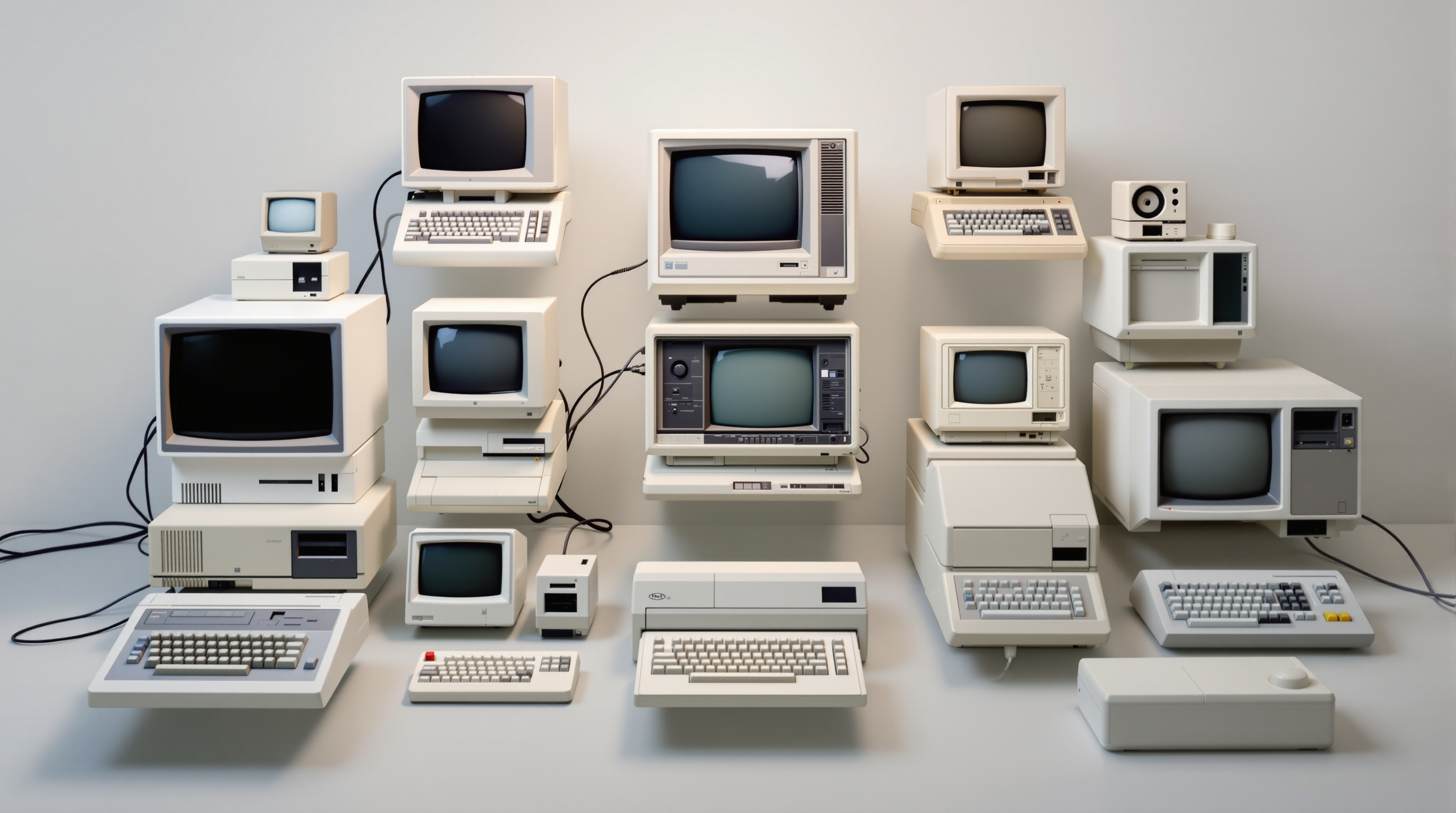
For members of SDMUG, Apple history wasn't just academic — it was lived experience. The group's most senior members had used Macs since the original 128K model in 1984; newer members arrived during the colorful iMac era of the late 1990s or the OS X revolution of the early 2000s. Together, they formed a living account of Apple's evolution.
The Original Macintosh (1984)
On January 24, 1984, Apple introduced the original Macintosh computer with a now-legendary commercial during Super Bowl XVIII. The Mac was revolutionary: it was the first mass-market personal computer with a graphical user interface controlled by a mouse. The famous tagline — "insanely great" — became shorthand for Apple's design philosophy.
Mac user groups formed almost immediately after launch. These early communities served a critical function: in the pre-internet era, user groups were the primary way Mac owners shared knowledge, troubleshot problems, and learned new capabilities. SDMUG was part of this tradition.
The System 7 and PowerPC Era (1991–2005)
System 7, released in 1991, brought color, multitasking, and networking to the Mac. This was the era many SDMUG founding members remember most vividly. Apple's transition to PowerPC processors in 1994 delivered a dramatic performance boost, and the professional Mac community — graphic designers, publishers, video editors — began to cement the Mac's reputation as the creative platform of choice.
During this period, desktop publishing became a major Mac application domain. QuarkXPress and later Adobe InDesign powered the publishing industry's shift from paste-up to digital layout. SDMUG's newsletter coverage of these tools reflected their importance to members who used Macs professionally.
The iMac and Steve Jobs' Return (1998–2001)
Apple's darkest period in the mid-1990s ended dramatically when Steve Jobs returned as CEO in 1997. The following year brought the original iMac — a colorful, all-in-one design that attracted a new generation of Mac users and reversed Apple's sales decline. For user groups like SDMUG, the iMac boom meant an influx of enthusiastic new members who didn't have the background of earlier Mac adopters.
Mac OS X (2001–2012)
The release of Mac OS X in 2001 was perhaps the most significant transition in Mac history after the original 1984 launch. Built on a Unix foundation with the Aqua interface on top, OS X was simultaneously familiar and revolutionary. Many SDMUG meetings during this period were dedicated to helping members navigate the transition — learning new keyboard shortcuts, understanding the new file system, and mastering applications rewritten for the new platform.
The Computer History Museum's timeline of computing records the hardware and software shifts of this era. User groups like SDMUG played an unrecognized but essential role in making that migration successful for everyday users.
The Intel Transition (2006)
Apple's announcement at WWDC 2005 that Macs would transition from PowerPC to Intel processors was another seismic shift. The SDMUG meeting following the Macworld 2006 expo covered this transition in detail — how Rosetta would allow old PowerPC software to run, what Universal Binary meant, and which applications were being rewritten for Intel hardware.
The Mobile Era and Apple Silicon
Though SDMUG was most active before the smartphone era fully arrived, the community witnessed the debut of the original iPhone in 2007 and the iPad in 2010. Apple's subsequent development of its own chip architecture — culminating in the M-series Apple Silicon chips — represents the platform's most dramatic transformation since OS X.
Apple's own Newsroom documents these milestones that the original SDMUG community helped pioneer at the grassroots level. The community spirit that drove people to SDMUG meetings — curiosity, enthusiasm for Apple's craft, willingness to teach and learn — is the same spirit that continues to define the Mac platform today.